Day Early Learning at Manual: A Comprehensive Overview
Day Early Learning centers, like the Downtown Indianapolis location, employ The Creative Curriculum, a research-backed approach․ Programs cater to infants, toddlers, and preschoolers, aligning with early learning standards and offering school-age care options․
What is Day Early Learning?
Day Early Learning is a comprehensive early child care and education provider dedicated to fostering the development of young children․ Specifically at Manual, and across its centers, the organization prioritizes a research-based approach, notably utilizing The Creative Curriculum․ This curriculum is thoughtfully designed for children ages 0-5, with materials and activities specifically tailored to meet the unique needs of infants, toddlers, and preschoolers․
The core philosophy centers around creating nurturing and stimulating environments where children can learn through play and exploration․ Day Early Learning doesn’t simply offer childcare; it provides intentional educational experiences aligned with early learning standards, including those set forth by the Pennsylvania Department of Education․
Furthermore, Day Early Learning recognizes the importance of holistic development, addressing cognitive, social-emotional, and physical growth․ Beyond preschool years, they also provide options for school-age care, acknowledging the evolving needs of families․ The organization emphasizes that teachers are key to observing and assessing children’s progress․
The Creative Curriculum Approach
The Creative Curriculum, utilized across all Day Early Learning classrooms, is a nationally recognized, research-based system for early childhood education․ It’s built on the understanding that children learn best when they are actively involved in their own learning process; This approach emphasizes hands-on experiences and exploration, fostering curiosity and a love of learning․

A key component is creating a stimulating and responsive environment that supports children’s individual interests and developmental levels․ Teachers carefully plan activities and learning centers to encourage exploration in all developmental domains – cognitive, social-emotional, physical, and creative․ The curriculum is not a rigid set of lessons, but rather a framework that allows for flexibility and adaptation based on children’s needs․
Adult-initiated and child-initiated activities are both integral, with educators contributing ideas while allowing children control during play․ This balance ensures children are challenged and supported, contributing their own ideas and progressing at their own pace, aligning with early learning standards․
Developmentally Appropriate Practices
Day Early Learning centers prioritize developmentally appropriate practices (DAP), recognizing that children develop at unique rates and in diverse ways․ This means tailoring experiences to match each child’s individual maturity, interests, and learning style․ Activities are designed to be challenging yet attainable, fostering a sense of accomplishment and building confidence․
DAP involves understanding child development theories and applying that knowledge to create engaging and meaningful learning opportunities․ Teachers observe children closely, using teacher observation techniques to assess their skills and needs, informing lesson planning and individual support․ This aligns with the belief that parents, teachers, and caregivers are best suited to assess a child’s progress․
The curriculum, including The Creative Curriculum, is implemented with a focus on play-based learning, recognizing its crucial role in cognitive, social, and emotional development․ Activities are designed to be age-appropriate and culturally sensitive, promoting inclusivity and respect for all learners, and adhering to Pennsylvania Learning Standards․
Infant and Toddler Programs
Day Early Learning’s programs for infants and toddlers are meticulously designed to nurture early development, recognizing the critical importance of these formative years․ Experience Curriculum, specifically tailored for ages 0-5, provides developmentally appropriate activities that stimulate sensory exploration, language acquisition, and emerging motor skills․
Infant care focuses on building secure attachments through responsive caregiving, fostering a sense of trust and safety․ Toddler programs encourage independence and exploration within a supportive environment, promoting social-emotional growth and early problem-solving skills․ These programs actively incorporate adult-initiated activities, where educators guide learning, alongside ample opportunities for child-initiated play, allowing children to lead their own discoveries․
Assessment in these early stages relies heavily on ongoing teacher observation techniques, documenting milestones and individual progress․ This information informs individualized care plans and ensures that each child receives the support they need to thrive, aligning with early learning standards and preparing them for future success․
Preschool Curriculum Details
Day Early Learning’s preschool curriculum, built upon The Creative Curriculum framework, provides a comprehensive and engaging learning experience for four and five-year-olds․ This research-based approach emphasizes hands-on exploration and discovery, fostering a love of learning and preparing children for kindergarten;
The curriculum is thoughtfully structured to integrate adult-initiated and child-initiated activities, balancing teacher-led instruction with opportunities for independent exploration and creativity․ Learning centers are designed to promote skill development in areas such as literacy, mathematics, science, and social-emotional learning․ Play is recognized as a vital component, allowing children to practice problem-solving, collaboration, and self-expression․
GSRP Implementation is a key feature, ensuring alignment with state standards and providing high-quality preschool education․ Ongoing assessment, utilizing authentic assessment methods and teacher observation techniques, monitors each child’s progress and informs instructional decisions, supporting individualized learning paths․
GSRP Implementation & Alignment
Day Early Learning is deeply committed to the successful implementation of the Great Start Readiness Program (GSRP), a state-funded preschool program for eligible four-year-olds․ This commitment ensures that children receive high-quality early learning experiences that prepare them for kindergarten and beyond․
Alignment with the Pennsylvania Learning Standards for Early Childhood is paramount․ The curriculum is meticulously designed to address these standards, focusing on key developmental domains including social-emotional development, language and literacy, mathematics, science, and creative arts․ Regular professional development for teachers ensures they are well-versed in GSRP guidelines and best practices․
Assessing children’s progress is integral to GSRP implementation․ Authentic assessment methods, such as observation and work sample collection, are used to monitor each child’s growth and inform individualized instruction․ This data-driven approach allows teachers to tailor learning experiences to meet the unique needs of each child, maximizing their potential․
Adult-Initiated vs․ Child-Initiated Activities
Day Early Learning thoughtfully balances adult-initiated and child-initiated activities to foster holistic development․ Adult-led activities are strategically planned to introduce new concepts, skills, and materials, engaging children as active participants․ Teachers skillfully incorporate children’s ideas and adapt activities to suit individual developmental levels․
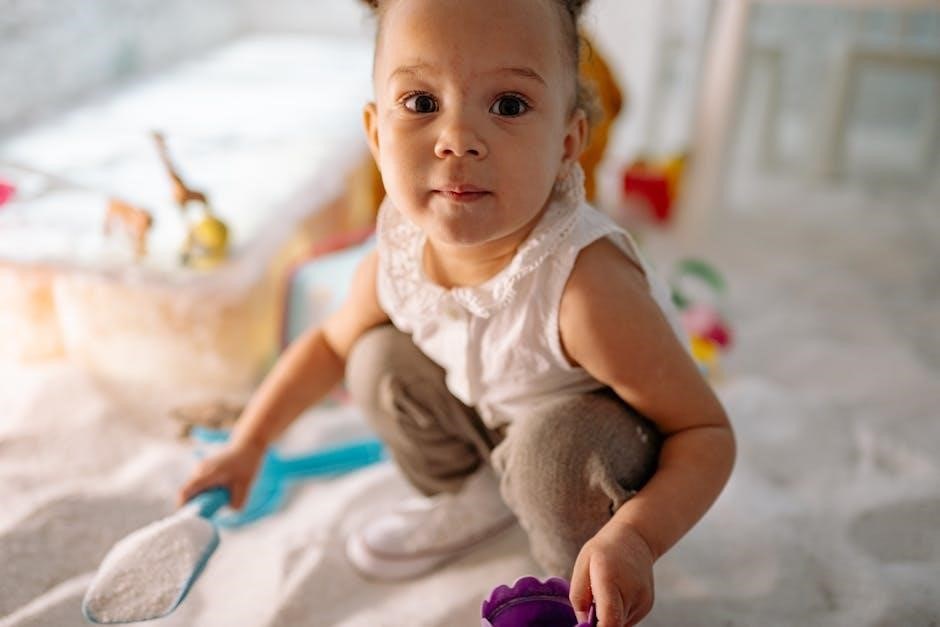
However, recognizing the crucial role of self-directed learning, significant portions of the day are dedicated to uninterrupted child-initiated play․ During these times, children have the freedom to make choices about materials, activities, and interactions, fostering creativity, problem-solving skills, and independence․
This approach acknowledges that children learn best when they are empowered to explore their interests and pursue their own lines of inquiry․ The curriculum supports a dynamic interplay between teacher guidance and child autonomy, creating a rich and stimulating learning environment․ Observing these interactions provides valuable insights for assessing children’s progress․
The Role of Play in Early Learning
Day Early Learning deeply values the pivotal role of play in early childhood development․ Play isn’t merely recreation; it’s the primary vehicle through which young children learn, explore, and construct understanding of the world around them․ Uninterrupted child-initiated play allows children to exercise agency, making choices and directing their own learning experiences․
Through play, children develop crucial social-emotional skills like cooperation, negotiation, and empathy․ They also enhance cognitive abilities, including problem-solving, critical thinking, and creativity․ The Creative Curriculum, utilized at Day Early Learning, intentionally integrates play-based learning opportunities throughout the day․
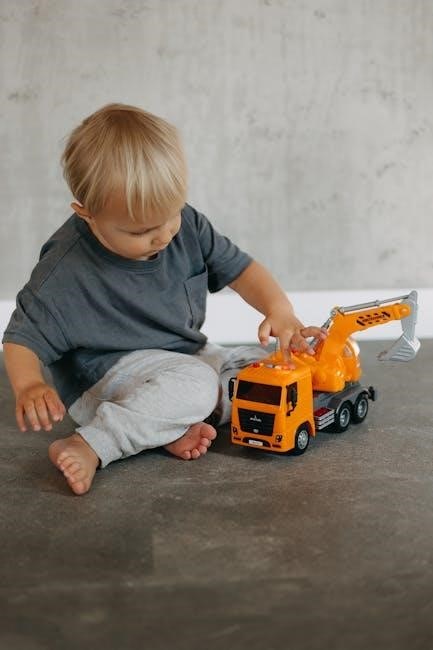
Teachers observe children during play, gaining valuable insights into their interests, strengths, and areas for growth․ This observational data informs individualized instruction and ensures that learning experiences are both engaging and developmentally appropriate․ Play fosters a love of learning and lays a strong foundation for future academic success․
Assessing Children’s Progress
Day Early Learning prioritizes ongoing assessment as a cornerstone of high-quality early childhood education․ Recognizing that parents, teachers, and caregivers possess the most intimate understanding of a child’s development, assessment relies heavily on observations within authentic environments․ This approach moves beyond standardized testing, focusing instead on capturing a holistic picture of each child’s learning journey․
Teachers utilize consistent observation techniques throughout daily activities to gather information about skill levels and identify areas where children may need additional support․ This data informs individualized learning plans and ensures that instruction is tailored to meet each child’s unique needs․
Assessment isn’t solely the responsibility of teachers; parent involvement is crucial․ Regular communication and opportunities for shared observation contribute to a collaborative understanding of the child’s progress․ These practices align with the Pennsylvania Learning Standards for Early Childhood, ensuring a comprehensive and standards-aligned approach to evaluating children’s growth․
Authentic Assessment Methods
Day Early Learning champions authentic assessment methods, moving away from traditional, decontextualized testing․ Instead, the focus is on observing children’s skills and understanding within the natural flow of their daily routines and activities․ This means evaluating progress during play, group interactions, and individual explorations․
Teacher observation techniques are central to this process․ Educators meticulously document children’s behaviors, interactions, and problem-solving strategies, gathering rich qualitative data․ This information is then used to create a detailed profile of each child’s strengths and areas for growth․ Portfolios showcasing children’s work, such as artwork, writing samples, and project documentation, further illustrate their learning journey․
These methods align with the belief that parents, teachers, and caregivers are best positioned to assess young children, as they have consistent access to observe them in familiar and meaningful contexts․ This approach ensures that assessment is an integrated and ongoing part of the learning experience, supporting individualized instruction and fostering a deeper understanding of each child’s unique potential․
Teacher Observation Techniques
Day Early Learning prioritizes robust teacher observation techniques as the cornerstone of understanding each child’s development․ Educators are trained to systematically observe children throughout all daily activities – during both adult-initiated and child-initiated play – to gather comprehensive data․
Observations aren’t simply casual glances; they involve focused attention on specific skills and behaviors, documented through anecdotal notes, checklists, and work sample collections․ Teachers look for evidence of progress related to early learning standards, noting how children approach challenges, interact with peers, and demonstrate their understanding of concepts․
These observations yield necessary information to determine skill levels and inform individualized lesson planning․ Teachers utilize running records to capture the sequence of events during interactions, providing a detailed account of a child’s thinking and problem-solving processes․ Regular team meetings allow teachers to share observations and collaborate on strategies to support each child’s unique needs, ensuring a holistic and responsive learning environment․
Parent Involvement in Assessment
Day Early Learning recognizes parents as essential partners in assessing their child’s progress․ The program emphasizes open communication and collaboration, acknowledging that parents possess invaluable insights into their child’s strengths, interests, and developmental history․
Regular parent-teacher conferences provide dedicated time to discuss observation data, review work samples, and share perspectives on the child’s learning journey․ Teachers actively solicit parent input, valuing their observations of skills demonstrated at home and their understanding of the child’s personality․
Furthermore, Day Early Learning encourages parents to contribute to ongoing assessment through questionnaires, informal conversations, and participation in classroom events․ This collaborative approach ensures a comprehensive understanding of the child’s development, aligning home and school experiences․ Parents, teachers, and caregivers are the most qualified to assess young children because they observe children in authentic environments․
This partnership fosters a shared responsibility for supporting the child’s growth and ensures that assessment practices are meaningful and relevant to the child’s overall well-being․
Early Learning Standards & Alignment
Day Early Learning at Manual prioritizes alignment with established early learning standards, specifically the 2014 Pennsylvania Learning Standards for Early Childhood․ This commitment ensures that the curriculum and teaching practices are grounded in research-based best practices and promote optimal child development․

The program doesn’t endorse a single curriculum, but rather focuses on aligning various curricular approaches with these standards․ This flexible approach allows teachers to tailor learning experiences to meet the diverse needs of each child․ Assessment is a critical piece in high-quality, standards-aligned programs․
Experience Curriculum, utilized across age groups, is specifically designed for children ages 0-5, with materials tailored to infants, toddlers, and preschoolers, ensuring developmentally appropriate activities․ The GSRP Implementation Manual also guides practices, emphasizing active learning and child-initiated exploration․
Through consistent alignment with these standards, Day Early Learning provides a high-quality educational foundation, preparing children for future success in school and beyond․
Pennsylvania Learning Standards for Early Childhood
Day Early Learning at Manual demonstrates a strong commitment to the Pennsylvania Learning Standards for Early Childhood, utilizing them as a cornerstone for curriculum development and instructional practices․ These standards, established by the Commonwealth of Pennsylvania’s Department of Education, provide a framework for ensuring children achieve key developmental milestones․
Alignment with these standards isn’t about rigid adherence to a single curriculum; rather, it’s about thoughtfully integrating the standards into all aspects of the learning environment․ Teachers actively observe children, gathering data to assess progress against these benchmarks․ This assessment informs individualized learning plans and ensures that each child receives appropriate support․
The program emphasizes that parents, teachers, and caregivers are uniquely qualified to assess young children due to their consistent observation within authentic environments․ The Creative Curriculum, employed in all classrooms, is utilized in a way that supports these standards․
By prioritizing these standards, Day Early Learning ensures children are well-prepared for kindergarten and future academic endeavors․
Enrollment and School-Age Care Options
Day Early Learning at Manual offers a range of enrollment opportunities designed to meet the diverse needs of families․ Spaces are available for infants, toddlers, and preschoolers, with tailored programs for each age group․ The center prioritizes creating a welcoming and inclusive environment for all children․
As summer break approaches, Day Early Learning extends its services to include comprehensive school-age care․ This program provides a safe, engaging, and enriching environment for children during out-of-school time․ Activities are designed to promote social-emotional development, creativity, and academic enrichment․
The enrollment process is straightforward, with dedicated staff available to assist families with applications and answer any questions․ Day Early Learning strives to make high-quality early childhood education accessible to as many families as possible․
Details regarding specific enrollment requirements, tuition rates, and school-age care schedules can be found on the Day Early Learning website or by contacting the center directly․ Flexible options are often available to accommodate varying family needs․