Candida Diet Plan PDF: A Comprehensive Overview
Due to temporary website limitations, accessing a detailed Candida diet plan PDF is currently unavailable. Please revisit shortly for comprehensive guidance, as resources are restored.
What is Candida?
Candida is a genus of yeasts and molds naturally residing within the human body, primarily in the gut, mouth, and on the skin. While typically harmless in balanced amounts, Candida albicans is the most common species and can proliferate under certain conditions, leading to an overgrowth. This imbalance isn’t a disease itself, but rather a symptom of underlying issues like a weakened immune system, poor diet, or prolonged antibiotic use.
Understanding Candida requires recognizing it’s a normal part of our microbiome. However, factors disrupting this delicate ecosystem can allow Candida to become dominant. A comprehensive Candida diet plan aims to restore balance by eliminating foods that fuel its growth and incorporating those that support a healthy gut environment. This approach isn’t about eradication, but about restoring harmonious coexistence.
Understanding Candida Overgrowth
Candida overgrowth occurs when the natural balance of microorganisms in the body is disrupted, allowing Candida to multiply unchecked. This isn’t an infection in the traditional sense, but a systemic imbalance. A Candida diet plan focuses on addressing the root causes, not just suppressing symptoms.
Several factors contribute to overgrowth, including high sugar intake, antibiotic use (which kills beneficial bacteria), stress, and a compromised immune system. When Candida proliferates, it can create byproducts that irritate the gut lining, leading to increased intestinal permeability – often called “leaky gut.” This allows toxins to enter the bloodstream, triggering inflammation and a cascade of potential health issues. A well-structured diet aims to starve the Candida and heal the gut.
Symptoms of Candida Overgrowth
Recognizing Candida overgrowth can be challenging, as symptoms are often vague and mimic other conditions. Common indicators include persistent fatigue, digestive issues like bloating, gas, and constipation or diarrhea, and brain fog – difficulty concentrating or remembering things. Skin problems, such as eczema, rashes, or fungal nail infections, are also frequently reported.
Other potential symptoms encompass mood swings, anxiety, recurring yeast infections (in women), and joint pain. It’s crucial to remember that experiencing one or two of these doesn’t automatically confirm Candida overgrowth; a comprehensive assessment is needed. A Candida diet plan, alongside lifestyle adjustments, can help alleviate these symptoms by restoring balance within the body and supporting overall well-being.
Phase 1: The Elimination Phase
This initial stage strictly restricts sugar and inflammatory foods, aiming to reduce Candida’s food source and diminish its population effectively.
Foods to Eliminate – Phase 1

The cornerstone of Phase 1 involves a rigorous elimination of foods that fuel Candida overgrowth. All forms of sugar are strictly prohibited, encompassing refined sugars, honey, maple syrup, and even most fruits due to their fructose content. Grains, including wheat, rice, corn, barley, and rye, must be removed as they break down into sugars.
Dairy products, even organic options, are eliminated due to their lactose content and potential inflammatory properties. Processed foods, containing hidden sugars, unhealthy fats, and artificial additives, are also off-limits. This includes packaged snacks, fast food, and most commercially prepared meals.
Furthermore, fermented foods (except for specific probiotic-rich options later in the diet), vinegar, and alcohol are avoided. Strict adherence to these eliminations is crucial for effectively reducing Candida’s food supply and initiating the healing process.
Sugars (All Forms)
Eliminating all sugars is paramount during the initial phase of the Candida diet. This extends far beyond just refined white sugar; it includes seemingly “healthier” options like honey, maple syrup, agave nectar, and coconut sugar. Even natural fruit sugars, while present in whole fruits, contribute to Candida’s growth and must be significantly restricted.
Hidden sugars are a major concern, lurking in processed foods, sauces, dressings, and even seemingly savory items. Carefully scrutinize ingredient lists for terms like sucrose, glucose, fructose, dextrose, and corn syrup. Artificial sweeteners are also prohibited, as they can disrupt gut bacteria.
Complete sugar abstinence starves the Candida, hindering its ability to thrive and reproduce, paving the way for a healthier gut environment.
Grains (Wheat, Rice, Corn, etc.)
Grains, in all their forms, are strictly prohibited during Phase 1 of the Candida diet. This includes common staples like wheat, rice (white and brown), corn, oats, barley, rye, and spelt. Grains quickly break down into glucose in the body, effectively feeding the Candida overgrowth. Even gluten-free grains like quinoa and amaranth are typically avoided initially due to their carbohydrate content.
Processed grain products – breads, pastas, cereals, crackers – are especially problematic, often containing hidden sugars and additives. Avoiding grains helps reduce inflammation and supports the restoration of a balanced gut microbiome.
Focus on alternative carbohydrate sources from non-starchy vegetables during the elimination phase, allowing the gut to heal and Candida levels to decrease.
Fruits (Limited Selection)
Fruit consumption is significantly restricted during the initial elimination phase of the Candida diet, due to their natural sugar (fructose) content. While fruits offer valuable nutrients, fructose can fuel Candida overgrowth, hindering progress. Low-glycemic fruits are permitted in very limited quantities – typically no more than ¼ cup per day.
Acceptable options include a small portion of berries like blueberries, raspberries, and cranberries. Avoid high-sugar fruits such as bananas, grapes, mangoes, and dried fruits entirely. Prioritize non-starchy vegetables as your primary carbohydrate source.
As you progress to the reintroduction phase, you can cautiously test tolerance to other fruits, one at a time, monitoring for any adverse reactions.
Dairy Products
Dairy products are strictly eliminated during the initial phase of a Candida diet plan. This is because dairy, even organic varieties, contains lactose – a sugar that Candida readily feeds upon. Furthermore, dairy can be inflammatory for many individuals, potentially exacerbating gut issues and hindering the healing process.
This includes milk, cheese, yogurt, butter, and ice cream. Be vigilant about hidden dairy ingredients in processed foods, such as whey, casein, and lactose. Opt for dairy-free alternatives like coconut milk, almond milk, or ghee (clarified butter, often better tolerated in small amounts later on).
During reintroduction, some individuals may cautiously reintroduce certain fermented dairy products like kefir, observing for any symptoms.
Processed Foods
A cornerstone of the Candida diet plan is the complete avoidance of processed foods. These items are typically laden with refined sugars, unhealthy fats, and artificial additives – all fuel for Candida overgrowth. They also lack the vital nutrients needed to support a healthy gut microbiome and immune system.
This encompasses packaged snacks, fast food, ready meals, and anything containing preservatives, artificial colors, or flavors. Processed meats, sugary cereals, and conventional sauces are also off-limits. Focus on whole, unprocessed foods to nourish your body and starve the Candida.
Reading labels meticulously is crucial, as hidden sugars and additives are prevalent. Prioritize fresh, whole ingredients for optimal results during the elimination phase.
Foods Allowed – Phase 1
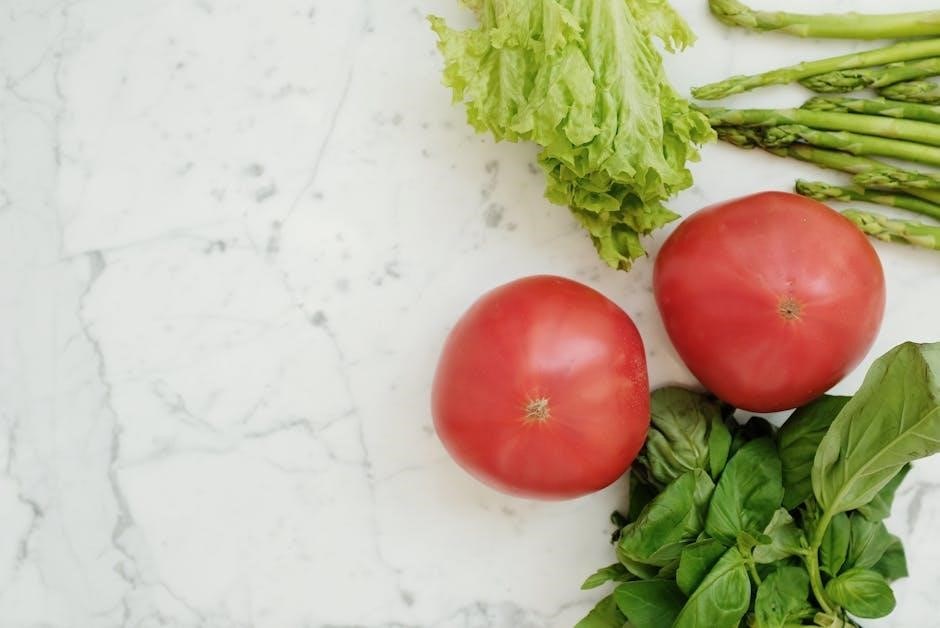
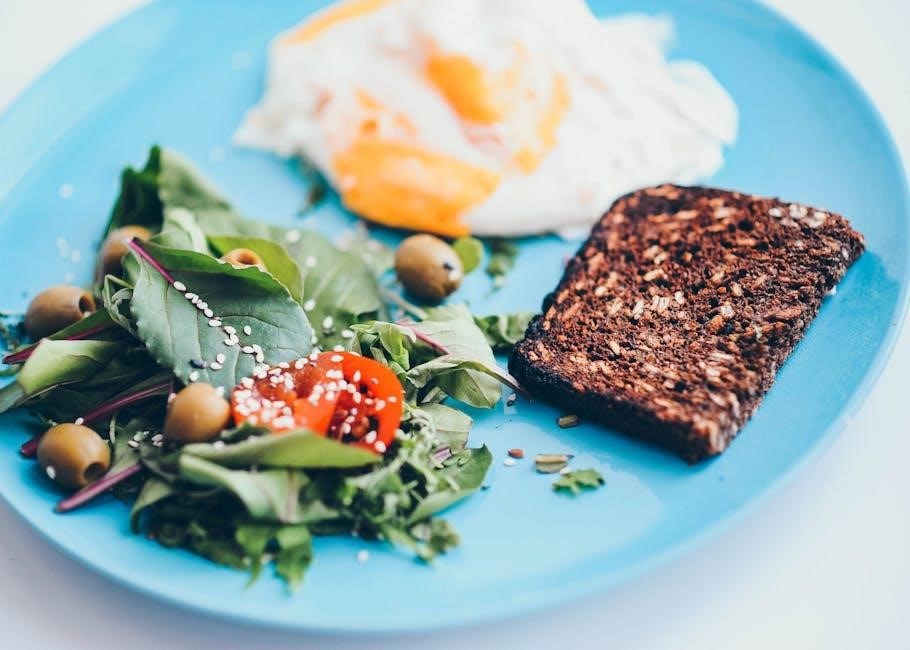
Phase 1 of the Candida diet centers around a restrictive, yet nourishing, food selection. The goal is to drastically reduce sugar intake and starve the overgrowth. Non-starchy vegetables form the foundation – think leafy greens like spinach and kale, broccoli, cauliflower, asparagus, and zucchini. These provide essential vitamins, minerals, and fiber without feeding the Candida.
Lean proteins, such as chicken, turkey, fish (especially wild-caught salmon), and lamb, are crucial for tissue repair and maintaining energy levels. Healthy fats, like avocado, olive oil, coconut oil, and flaxseed oil, support hormone production and overall health.
Small amounts of certain herbs and spices are permitted, adding flavor and potential antifungal benefits.
Non-Starchy Vegetables
Non-starchy vegetables are the cornerstone of Phase 1, providing vital nutrients with minimal impact on blood sugar levels. Embrace a rainbow of options! Leafy greens – spinach, kale, romaine lettuce, and collard greens – are packed with vitamins and minerals. Cruciferous vegetables like broccoli, cauliflower, Brussels sprouts, and cabbage offer potent detoxification support.
Other excellent choices include asparagus, zucchini, cucumber, bell peppers (in moderation), celery, and mushrooms. These vegetables are low in carbohydrates and provide fiber, aiding digestion and promoting a feeling of fullness.
Prioritize fresh, organic options whenever possible to minimize exposure to pesticides and other harmful chemicals.
Lean Proteins
Sufficient protein intake is crucial during the elimination phase to support tissue repair and maintain muscle mass. Focus on lean protein sources that won’t fuel Candida overgrowth. Excellent choices include poultry – chicken and turkey (organic, pasture-raised is best) – and wild-caught fish, such as salmon, tuna, and sardines, rich in omega-3 fatty acids.
Small amounts of grass-fed beef or lamb can also be included. Avoid processed meats, as they often contain hidden sugars and additives. Plant-based protein options are limited in Phase 1, but small portions of hemp seeds or pumpkin seeds can be considered.
Prioritize protein at each meal to help stabilize blood sugar and reduce cravings.
Healthy Fats
Incorporating healthy fats is vital for hormone production, brain function, and nutrient absorption while following a Candida diet. Prioritize fats that possess antifungal properties or support overall immune health. Excellent choices include avocados, olive oil (extra virgin, cold-pressed), and coconut oil, known for its caprylic acid content – a natural antifungal.
Flaxseed oil and chia seeds provide omega-3 fatty acids, though use in moderation. Nuts and seeds are generally allowed, but limit portions to a small handful daily, focusing on almonds, walnuts, and pumpkin seeds. Avoid processed vegetable oils like soybean, corn, and canola oil.
Healthy fats contribute to satiety, helping manage cravings during the restrictive elimination phase.

Phase 2: Reintroduction Phase
Carefully reintroduce foods one at a time, monitoring for symptoms. This phase identifies individual sensitivities and expands your diet gradually, ensuring long-term success.
Gradual Reintroduction of Foods
The reintroduction phase is a cornerstone of a successful Candida diet, moving beyond strict elimination to identify personal food sensitivities. Begin by selecting one food from a previously restricted group – perhaps a gluten-free grain like quinoa, or a low-sugar fruit such as green apples. Consume a small portion of this food and meticulously monitor your body for any adverse reactions over the next three to four days.
Symptoms to watch for include digestive upset (bloating, gas, diarrhea), skin issues (rashes, eczema), fatigue, brain fog, or a resurgence of previous Candida symptoms. If no negative reactions occur, you can consider that food a “safe” addition to your diet. However, if symptoms arise, immediately eliminate the food again and wait until your symptoms subside before attempting to reintroduce another item.
This methodical approach is crucial; rushing the process can easily trigger a flare-up and hinder your progress. Patience and diligent observation are key to establishing a sustainable, personalized eating plan.
Identifying Food Sensitivities
A core objective of the reintroduction phase is pinpointing specific food sensitivities that contribute to Candida overgrowth or exacerbate symptoms. While a food might be generally considered “healthy,” your individual gut microbiome may react negatively to it. Common culprits often include seemingly benign foods like eggs, nuts, or certain vegetables.
Keep a detailed food and symptom journal during reintroduction. Record everything you eat, the quantity, and any physical or mental changes you experience. Be specific – note the timing, intensity, and nature of symptoms. This journal becomes invaluable in correlating foods with reactions.
Don’t dismiss subtle symptoms; even mild bloating or a slight energy dip can indicate a sensitivity. Recognizing these individual triggers empowers you to create a long-term diet that supports optimal gut health and prevents future Candida imbalances.
Reintroduction Guidelines
Reintroducing foods should be a methodical, slow process – one new food every three to four days is ideal. This allows sufficient time to observe any adverse reactions without overwhelming your system. Begin with small portions, roughly a quarter of a typical serving size.
Choose foods from the “allowed” list in Phase 1, prioritizing those you previously enjoyed. Thoroughly chew each bite and pay close attention to how your body feels in the hours following consumption. Document everything meticulously in your food and symptom journal.
If no symptoms arise after three days, gradually increase the portion size. If any negative reactions occur, immediately eliminate the food and wait until symptoms subside before introducing another.

Candida Diet & Supplements
Optimizing recovery often involves strategic supplementation alongside dietary changes. Probiotics, antifungals, and digestive enzymes can powerfully support gut health and balance.
Probiotics for Candida
Introducing beneficial bacteria through probiotics is crucial during a Candida diet. Candida overgrowth disrupts the natural gut microbiome, creating an imbalance favoring fungal proliferation. High-quality probiotic supplements help restore this balance, competing with Candida for resources and strengthening the gut’s defense mechanisms.
Look for probiotic strains specifically researched for Candida support, such as Lactobacillus acidophilus, Bifidobacterium bifidum, and Saccharomyces boulardii. Saccharomyces boulardii, a beneficial yeast, can directly combat Candida.
Begin with a low dose to avoid die-off symptoms (Herxheimer reaction) as Candida is eliminated, and gradually increase as tolerated. Probiotic-rich fermented foods, like kefir (dairy-free options exist) and sauerkraut (if allowed in your phase), can also contribute, but supplements often provide a more concentrated dose.
Antifungal Supplements
While diet forms the cornerstone of a Candida plan, antifungal supplements can provide additional support. These supplements work by directly inhibiting Candida growth or weakening its cell walls, aiding in its elimination. It’s vital to remember supplements aren’t a replacement for dietary changes, but rather a complementary approach.
Caprylic Acid, derived from coconut oil, disrupts Candida’s cell membrane. Oregano Oil, a potent herb, possesses strong antifungal properties, but should be used cautiously and diluted due to its intensity. Always follow dosage instructions carefully.
Other options include garlic (allicin), grapefruit seed extract, and berberine. Rotate supplements to prevent Candida from developing resistance. Be mindful of potential die-off symptoms and start with low doses.
Caprylic Acid
Caprylic acid, a medium-chain fatty acid naturally found in coconut oil and palm kernel oil, is a popular antifungal supplement for Candida overgrowth. It works by disrupting the lipid membrane of the Candida cell, essentially weakening its structure and leading to its demise. This makes it difficult for Candida to adhere to the intestinal walls and reproduce.
Typically available in capsule or liquid form, caprylic acid is generally well-tolerated, though some individuals may experience mild digestive upset initially. Starting with a low dose and gradually increasing it can minimize these effects. It’s often combined with other antifungal agents for a synergistic effect.
Consistent use, alongside a strict Candida diet, is key to maximizing its benefits.
Oregano Oil
Oregano oil, derived from the oregano plant, boasts potent antifungal and antibacterial properties due to its high concentration of carvacrol. This makes it a valuable addition to a Candida diet plan, helping to combat the overgrowth of the fungus. It disrupts the cell walls of Candida, inhibiting its growth and spread within the body.
Available in liquid or capsule form, oregano oil is incredibly potent and must be diluted – typically with a carrier oil like olive oil – before consumption to avoid irritation. It’s crucial to follow dosage instructions carefully, as excessive amounts can cause digestive discomfort.
Considered a powerful tool, oregano oil works best when combined with other antifungal strategies and a strict dietary regimen.
Digestive Enzymes
Candida overgrowth often impairs digestive function, leading to nutrient malabsorption and further gut imbalance. Digestive enzymes play a crucial role in breaking down food into smaller, more easily absorbed components, alleviating the burden on a compromised digestive system. Supplementing with a broad-spectrum enzyme blend can significantly improve nutrient uptake and reduce digestive distress.
Specifically, enzymes like amylase (for carbohydrates), protease (for proteins), and lipase (for fats) are beneficial. They aid in the complete digestion of food, minimizing the amount of undigested material that can feed Candida.
Choosing a high-quality enzyme supplement is essential, and taking them with meals optimizes their effectiveness during the Candida diet plan.
Creating Your Candida Diet PDF
Currently, PDF creation is impacted by resource limitations. A personalized Candida diet plan PDF will be available once systems are fully operational again.
Essential Elements of a PDF Plan
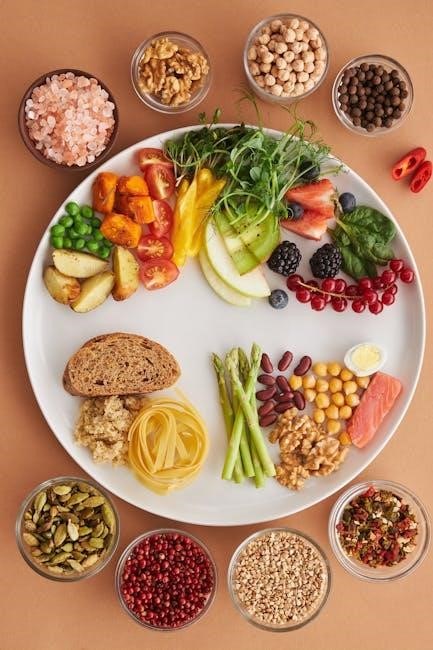
A comprehensive Candida diet PDF should prioritize clarity and personalization. Begin with a detailed introduction explaining Candida overgrowth and the diet’s purpose. Include distinct sections for each phase – elimination and reintroduction – outlining permitted and restricted foods with specific examples.
Crucially, incorporate a symptom tracker allowing users to monitor their progress and identify potential triggers. A dedicated space for noting daily meals and associated feelings is invaluable. Supplement recommendations, including probiotics and antifungals, should be clearly stated with dosage guidelines.
Recipe suggestions are essential for adherence, offering practical meal ideas. Finally, a section on long-term gut health maintenance and preventing future overgrowth completes the plan. Remember to include a disclaimer advising consultation with a healthcare professional before starting any new dietary regimen.

Tracking Progress & Symptoms
Consistent tracking is paramount when following a Candida diet PDF. Implement a daily journal to record food intake, noting any deviations from the plan. Alongside meals, meticulously document experienced symptoms – fatigue, bloating, digestive issues, skin reactions, or mood changes.
Utilize a symptom severity scale (e.g., 1-5) for objective assessment. Regularly review the journal to identify patterns between food choices and symptom flare-ups. This data is invaluable for the reintroduction phase, pinpointing potential sensitivities.
Consider tracking additional metrics like energy levels, sleep quality, and bowel movements. A visual representation of progress – a chart or graph – can be highly motivating. Remember, tracking isn’t about perfection, but about gaining insights into your body’s unique response to the diet.
Recipe Ideas for the Candida Diet
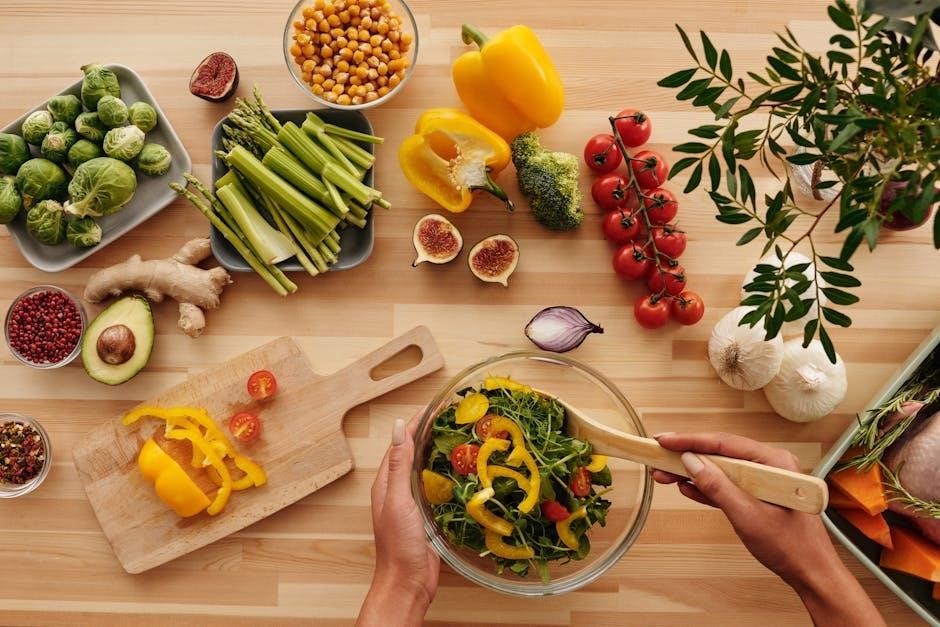
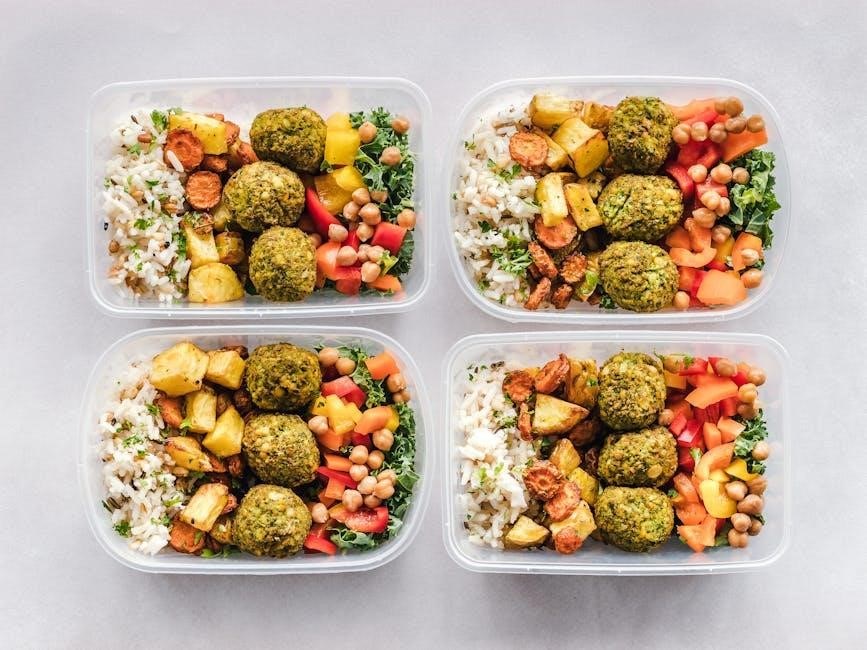
A successful Candida diet PDF relies on flavorful, compliant recipes. Embrace simple preparations highlighting allowed ingredients. Start with a coconut-based curry featuring non-starchy vegetables like broccoli, spinach, and zucchini, seasoned with turmeric and ginger.
Explore zucchini noodles (zoodles) with pesto made from basil, garlic, olive oil, and nutritional yeast. Baked salmon with asparagus offers a protein-rich, healthy fat option. For breakfast, try a chia seed pudding using almond milk and a sprinkle of cinnamon.
Focus on soups and stews utilizing bone broth for gut healing. Experiment with herbal teas like ginger or chamomile. Remember to prioritize fresh, whole foods and avoid processed alternatives. Numerous online resources offer dedicated Candida-friendly recipes to diversify your meals.
Long-Term Candida Management
Sustaining gut health post-diet requires consistent mindful eating, prioritizing probiotics, and adopting a lifestyle that supports a balanced microbiome for lasting wellness.
Maintaining a Healthy Gut Microbiome
A thriving gut microbiome is paramount for long-term Candida management, extending far beyond the initial dietary phases. Regularly incorporating probiotic-rich foods, such as fermented vegetables like sauerkraut and kimchi, alongside kefir and yogurt (if tolerated post-reintroduction), actively replenishes beneficial bacteria.
Prebiotic foods, fueling these good bacteria, are equally crucial; consider asparagus, garlic, onions, and leeks in moderation. Avoiding unnecessary antibiotic use is vital, as they indiscriminately eliminate both harmful and helpful gut flora.
Stress management techniques – yoga, meditation, or simply mindful breathing – significantly impact gut health, reducing inflammation and promoting balance. Prioritizing sleep, aiming for 7-9 hours nightly, further supports a robust microbiome. Consistent hydration is also key, aiding digestion and nutrient absorption, fostering a resilient and diverse gut ecosystem.
Lifestyle Factors Supporting Recovery
Beyond dietary adjustments, several lifestyle modifications profoundly influence Candida recovery and sustained well-being. Managing stress is critical; chronic stress weakens the immune system, exacerbating Candida overgrowth. Implement relaxation techniques like meditation, deep breathing exercises, or engaging in hobbies you enjoy.
Prioritize adequate sleep – aim for 7-9 hours nightly – as sleep deprivation compromises immune function and gut health. Regular, moderate exercise boosts circulation, reduces inflammation, and supports detoxification.
Minimize exposure to environmental toxins found in cleaning products, personal care items, and plastics. Opt for natural alternatives whenever possible. Staying well-hydrated supports detoxification pathways and overall bodily functions. These holistic approaches, combined with the Candida diet, create a powerful synergy for lasting recovery.
Preventing Future Overgrowth
Sustaining a balanced lifestyle post-Candida diet is paramount to preventing recurrence. A consistently healthy diet, low in refined sugars and processed foods, forms the foundation. Prioritize whole, nutrient-dense foods to nourish your gut microbiome and bolster immune defenses.
Continue incorporating probiotic-rich foods like fermented vegetables and yogurt (if tolerated) to maintain a thriving gut ecosystem. Manage stress effectively through regular relaxation practices, as stress significantly impacts gut health.
Limit antibiotic use to only when absolutely necessary, as they disrupt the gut flora. Be mindful of hidden sugars in foods and beverages. Regular exercise and adequate sleep further contribute to a robust immune system, safeguarding against future Candida overgrowth and promoting long-term wellness.