Ingersoll Rand Air Compressor Manual: A Comprehensive Guide
Ingersoll Rand delivers energy efficiency‚ productivity‚ and operational solutions with over 160 years of expertise; this guide details their extensive air compressor range․
Understanding Ingersoll Rand Air Compressors
Ingersoll Rand air compressors are renowned for their reliability and performance across diverse industrial and commercial applications․ With a legacy spanning over 160 years‚ the company offers a comprehensive portfolio‚ including reciprocating‚ rotary screw‚ and centrifugal compressors․ These machines cater to varying air demands‚ from small-scale workshops to large manufacturing facilities․
Understanding the core technologies – oil-free versus oil-flooded – is crucial for selecting the right compressor․ Ingersoll Rand also innovates with technologies like PET (Polyethylene Terephthalate) for enhanced efficiency and nitrogen generators for specialized needs․ Their commitment extends beyond hardware‚ encompassing comprehensive compressed air services and solutions designed to optimize energy consumption and boost productivity․ Choosing the correct compressor involves considering factors like airflow‚ pressure requirements‚ and application specifics․
History and Overview of Ingersoll Rand
Ingersoll Rand boasts a rich history stretching back over 160 years‚ evolving from a small drill company to a global leader in industrial solutions․ Founded on innovation‚ the company quickly became synonymous with compressed air technology‚ pioneering advancements in air compressor design and manufacturing․ Throughout the 20th and 21st centuries‚ Ingersoll Rand expanded its portfolio‚ incorporating pumps‚ power tools‚ and lifting solutions․
Today‚ Ingersoll Rand serves a vast array of industries‚ providing products‚ services‚ and solutions that enhance energy efficiency‚ productivity‚ and operations․ Their commitment to customer success is reflected in their extensive network of authorized service centers and readily available replacement parts․ The company continues to invest in research and development‚ driving innovation in compressed air systems and related technologies․
Types of Ingersoll Rand Air Compressors
Ingersoll Rand manufactures a diverse range of air compressors to meet varied industrial needs․ Reciprocating air compressors are ideal for intermittent use and smaller applications‚ offering reliable performance․ Rotary screw compressors provide continuous airflow for demanding tasks‚ known for their efficiency and durability․ For high-volume applications‚ centrifugal compressors deliver substantial air power․
A key distinction lies between oil-free and oil-flooded compressors․ Oil-free models ensure 100% oil-free air‚ crucial for sensitive applications like food processing and pharmaceuticals․ Oil-flooded compressors utilize oil for lubrication‚ enhancing longevity and often offering higher efficiency․ Ingersoll Rand also specializes in advanced technologies like PET Technologies and Nitrogen Generators‚ expanding their compressor solutions․
Reciprocating Air Compressors
Ingersoll Rand’s reciprocating air compressors are renowned for their dependability and suitability for diverse applications․ These compressors utilize a piston and cylinder mechanism to convert rotational motion into pneumatic pressure‚ making them ideal for intermittent use and smaller-scale operations․ Recent advancements include extending their Type-30 air compressor line with new two-stage models ranging from 5 to… (specific details vary by model)․
They are a cost-effective solution for tasks like powering pneumatic tools‚ inflation‚ and light industrial processes․ Available in both oil-lubricated and oil-free configurations‚ Ingersoll Rand offers reciprocating compressors to meet specific air quality requirements․ Their robust construction ensures long-term performance and minimal maintenance‚ making them a popular choice across various industries․
Rotary Screw Air Compressors
Ingersoll Rand offers a comprehensive range of rotary screw air compressors‚ celebrated for their efficiency‚ reliability‚ and continuous operation capabilities․ Utilizing two meshing screws to compress air‚ these compressors deliver a consistent airflow ideal for demanding industrial applications․ They are available in both oil-flooded and oil-free designs‚ catering to diverse air quality needs and regulatory requirements․

Ingersoll Rand’s rotary screw technology‚ including advanced PET Technologies‚ maximizes energy efficiency and minimizes lifecycle costs․ These compressors are suitable for manufacturing plants‚ automotive workshops‚ and other environments requiring a substantial and dependable air supply․ Their durable construction and advanced controls ensure consistent performance and reduced downtime‚ making them a cornerstone of many industrial operations․

Centrifugal Air Compressors
Ingersoll Rand’s centrifugal air compressors are engineered for large-scale industrial applications demanding high volumes of compressed air․ These compressors utilize rotating impellers to increase air velocity and pressure‚ offering exceptional efficiency and reliability for continuous operation; They are particularly well-suited for processes like power generation‚ oil and gas‚ and large manufacturing facilities․
Centrifugal compressors excel in applications requiring consistent air supply and minimal pulsation․ Ingersoll Rand focuses on optimizing impeller designs and control systems to maximize performance and reduce energy consumption․ These systems often incorporate advanced monitoring and diagnostic capabilities‚ ensuring optimal uptime and proactive maintenance․ Their robust construction and efficient operation make them a cost-effective solution for high-demand air requirements․
Oil-Free vs․ Oil-Flooded Compressors
Ingersoll Rand offers both oil-free and oil-flooded air compressors‚ each designed for specific application needs․ Oil-flooded compressors utilize oil for lubrication and sealing‚ enhancing component lifespan and efficiency‚ making them ideal for demanding industrial tasks․ However‚ they require oil filtration to prevent contamination of the compressed air․
Oil-free compressors‚ conversely‚ eliminate oil from the compression process‚ delivering 100% oil-free air crucial for sensitive applications like food processing‚ pharmaceuticals‚ and electronics manufacturing․ While generally requiring more maintenance‚ they guarantee air purity․ Ingersoll Rand’s designs prioritize minimizing energy consumption in both types‚ with advancements in materials and control systems․ Choosing between them depends on air quality requirements and operational demands․
Locating the Correct Manual
Finding the right Ingersoll Rand air compressor manual is crucial for safe operation and maintenance․ Start by identifying your specific compressor model number‚ typically found on a nameplate affixed to the unit․ Ingersoll Rand provides a comprehensive online resource for manuals‚ accessible through their official website․ Alternatively‚ several third-party websites archive manuals‚ though verifying the document’s accuracy is essential․
Ensure the manual corresponds precisely to your model number and serial number for accurate information․ Downloading a PDF version allows for easy access and portability․ If you encounter difficulties locating the manual‚ contacting Ingersoll Rand’s customer support directly is recommended; they can assist in identifying and providing the correct documentation․
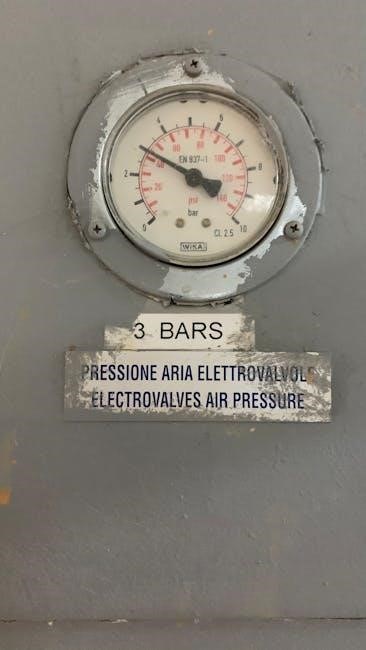
Identifying Your Compressor Model Number
Locating your Ingersoll Rand air compressor’s model number is the first step towards accessing the correct documentation․ This unique identifier is typically found on a metal nameplate securely attached to the compressor itself․ Carefully inspect the unit; common locations include the compressor tank‚ the motor housing‚ or near the air inlet․
The model number is usually a combination of letters and numbers‚ providing specific details about the compressor’s configuration and features․ Alongside the model number‚ you’ll often find a serial number‚ which is vital for warranty claims and service inquiries․ Record both numbers accurately‚ as they are essential when searching for manuals or contacting Ingersoll Rand support․
Ingersoll Rand Official Website Manuals
Ingersoll Rand’s official website is the primary and most reliable source for accessing comprehensive air compressor manuals․ Navigate to their support section‚ typically featuring a dedicated area for documentation․ You’ll likely be prompted to enter your compressor’s model number to refine the search and ensure you receive the correct manual․
The website offers downloadable PDF manuals‚ often including detailed parts lists‚ troubleshooting guides‚ and safety instructions․ Registration may be required to access certain resources‚ but it allows for easy retrieval of manuals in the future․ Regularly check the website for updates‚ as manuals are occasionally revised to reflect product improvements or safety enhancements․ Utilizing the official source guarantees accuracy and completeness․
Third-Party Manual Resources
While Ingersoll Rand’s official website is preferred‚ several third-party resources can assist in locating manuals if the original is unavailable․ Websites specializing in equipment documentation often archive manuals for various brands‚ including Ingersoll Rand․ However‚ exercise caution when using these sources‚ verifying the manual’s applicability to your specific compressor model and revision․
Online forums and communities dedicated to air compressors can also be valuable․ Users frequently share manuals or links to downloadable resources․ LECTURA Specs provides detailed specifications and technical data․ Always cross-reference information from third-party sources with official documentation whenever possible to ensure accuracy and avoid potential errors during maintenance or repair․
Manual Contents and Key Sections
Ingersoll Rand air compressor manuals typically follow a standardized structure‚ beginning with crucial safety precautions and warnings to prevent injury during operation and maintenance․ Installation and setup instructions detail proper placement‚ electrical connections‚ and initial configuration․ Operating procedures cover starting‚ stopping‚ and adjusting pressure settings‚ alongside performance monitoring guidance․
A significant portion focuses on maintenance schedules‚ outlining routine tasks like filter changes and oil level checks․ Troubleshooting sections address common issues like low air pressure or overheating‚ offering diagnostic steps and solutions․ Parts lists and diagrams aid in identifying replacement components․ Warranty information is also included‚ detailing coverage terms and conditions․
Safety Precautions and Warnings
Ingersoll Rand compressor manuals prioritize safety‚ prominently displaying warnings against operating damaged equipment or bypassing safety devices․ Users are cautioned to disconnect power before servicing and to never attempt modifications․ Proper ventilation is essential to prevent carbon monoxide poisoning‚ especially with gasoline-powered models․
Eye and ear protection are mandatory during operation‚ and compressed air must never be directed towards people or animals․ The manual stresses the importance of using approved hoses and fittings‚ regularly inspecting for leaks‚ and adhering to lockout/tagout procedures during maintenance․ High-pressure systems pose significant risks; therefore‚ strict adherence to all safety guidelines is crucial for preventing serious injury․
Installation and Setup Instructions
Ingersoll Rand manuals detail site preparation‚ requiring a level‚ stable surface with adequate ventilation․ Electrical connections must comply with local codes‚ utilizing the correct voltage and grounding․ Air line connections should employ approved fittings and hoses‚ ensuring a leak-free seal․
Before initial startup‚ verify proper lubrication levels and inspect for any shipping damage․ The manual emphasizes the importance of installing air filters and drain valves correctly․ For specific models‚ it may outline belt tension adjustments or cooling system checks․ Proper installation is vital for optimal performance and longevity‚ preventing premature wear and ensuring safe operation․ Always consult the manual for model-specific instructions․

Operating Procedures
Ingersoll Rand manuals provide clear instructions for starting and stopping the compressor‚ emphasizing pre-start checks like fluid levels and filter conditions․ Pressure adjustments are detailed‚ outlining the correct procedures for setting desired output pressure‚ avoiding over-pressurization․
Monitoring performance indicators‚ such as pressure gauges and temperature readings‚ is crucial for identifying potential issues․ The manual stresses the importance of regular observation during operation․ Correct operation ensures efficient air delivery and prevents damage․ Adhering to recommended operating parameters extends the compressor’s lifespan and maintains optimal performance․ Always refer to the specific model’s manual for detailed guidance․
Starting and Stopping the Compressor
Ingersoll Rand manuals detail a specific start-up sequence‚ typically involving checking oil levels (for oil-flooded models)‚ ensuring proper ventilation‚ and verifying emergency stop functionality․ Before starting‚ confirm all safety guards are in place․ The starting procedure usually involves engaging the power switch and allowing the compressor to build pressure gradually․

Shutdown procedures are equally important‚ often requiring a cool-down period before powering off․ Depressurizing the tank is a critical step‚ followed by disengaging the power switch․ Proper shutdown prevents internal damage and ensures safety․ Always consult the manual for your specific model‚ as procedures can vary․ Following these steps guarantees longevity and safe operation․
Adjusting Pressure Settings

Ingersoll Rand compressor manuals emphasize the importance of correctly adjusting pressure settings to match tool requirements and application needs․ Typically‚ this involves locating the pressure regulator‚ often featuring a knob or dial‚ and carefully adjusting it while monitoring the pressure gauge․ Incremental adjustments are recommended to avoid exceeding the maximum pressure rating of connected tools․
Safety is paramount; never exceed the tool’s maximum pressure․ Regularly check the pressure gauge for accuracy․ The manual will specify the recommended pressure range for optimal performance․ Incorrect pressure settings can lead to tool damage or inefficient operation․ Always refer to the specific model’s manual for detailed instructions and warnings regarding pressure adjustment procedures․
Monitoring Performance Indicators
Ingersoll Rand air compressor manuals highlight crucial performance indicators for optimal operation and early problem detection․ Key indicators include discharge pressure‚ motor amperage‚ and oil levels (for oil-flooded models)․ Regularly monitoring these gauges and displays helps identify potential issues before they escalate into major repairs․
Pay close attention to unusual noises‚ vibrations‚ or temperature fluctuations․ The manual details normal operating ranges for each indicator․ Deviations from these ranges often signal a need for maintenance or troubleshooting; Consistent monitoring allows for proactive maintenance‚ extending the compressor’s lifespan and ensuring reliable performance․ Refer to your specific model’s manual for detailed explanations of each indicator and its significance․
Maintenance and Troubleshooting
Ingersoll Rand air compressor manuals emphasize regular maintenance for longevity and efficiency․ Scheduled tasks include filter replacements‚ oil changes (for oil-flooded units)‚ and inspection of belts and hoses․ Troubleshooting sections guide users through diagnosing common issues like low air pressure‚ overheating‚ and air leaks․

The manual provides step-by-step instructions for addressing these problems‚ often starting with simple checks like verifying power supply and air filter cleanliness․ More complex issues may require a qualified technician․ Always prioritize safety by disconnecting power before performing any maintenance or repairs․ Following the recommended maintenance schedule minimizes downtime and maximizes the compressor’s operational life‚ ensuring consistent performance․
Routine Maintenance Schedules
Ingersoll Rand compressor manuals detail specific maintenance schedules based on operating hours or time intervals‚ typically categorized as daily‚ weekly‚ monthly‚ and annual tasks․ Daily checks involve inspecting fluid levels and listening for unusual noises․ Weekly routines include draining condensate tanks and checking belt tension․
Monthly maintenance often encompasses filter inspections and cleaning‚ while annual schedules require comprehensive inspections‚ oil analysis (for oil-flooded models)‚ and potential component replacements; Adhering to these schedules‚ outlined in the manual‚ is crucial for preventing breakdowns‚ maintaining optimal performance‚ and extending the compressor’s lifespan․ Detailed logs are recommended to track completed maintenance activities․
Common Troubleshooting Issues
Ingersoll Rand manuals address frequent problems like low air pressure‚ often caused by leaks‚ clogged filters‚ or a malfunctioning pressure switch․ Overheating can stem from inadequate ventilation‚ excessive use‚ or a faulty cooling fan – the manual details safe shutdown procedures․
Leak detection involves using soapy water to identify air escapes at connections and fittings; the manual provides guidance on repair techniques․ Other issues include motor failures‚ valve malfunctions‚ and control system errors․ Always consult the manual before attempting repairs‚ and prioritize safety by disconnecting power before any maintenance․ Proper diagnosis‚ guided by the manual‚ minimizes downtime․
Low Air Pressure Problems
Ingersoll Rand manuals pinpoint low air pressure as frequently stemming from air leaks within the system – check fittings and hoses with soapy water․ A clogged air intake filter restricts airflow‚ reducing output; regular cleaning is vital․ The pressure switch might be improperly set or malfunctioning‚ requiring adjustment or replacement as detailed in the manual․
Furthermore‚ worn piston rings in reciprocating compressors‚ or issues with the rotary screw element‚ can diminish performance․ Check the compressor’s unloader valve; a stuck valve can cause pressure drops․ The manual emphasizes verifying the receiver tank’s pressure gauge accuracy․ Always consult the manual’s troubleshooting section before disassembly․
Overheating Issues
Ingersoll Rand manuals highlight overheating as a critical concern‚ often linked to inadequate ventilation – ensure clear airflow around the compressor․ A blocked cooling fan or damaged fan motor severely restricts heat dissipation‚ demanding immediate attention․ Low oil levels (in oil-flooded models) increase friction and heat; regularly check and maintain proper levels as per the manual’s schedule․
The manual also stresses checking for a malfunctioning thermostat or thermal overload protector․ Excessive run times without sufficient cool-down periods contribute to overheating․ Inspect the compressor’s exterior for debris accumulation hindering cooling․ Always prioritize safety; allow the unit to cool completely before inspection or repair‚ referencing the manual’s safety guidelines․
Leak Detection and Repair
Ingersoll Rand manuals emphasize regular leak checks for optimal performance and efficiency․ Utilize a soap-and-water solution on fittings‚ hoses‚ and connections – bubbles indicate leaks․ Tighten loose fittings initially; if the leak persists‚ replace the fitting or hose according to the manual’s parts list․ Inspect drain valves‚ as they are common leak points‚ and ensure proper sealing․
The manual cautions against using excessive force when tightening‚ potentially damaging components․ For internal leaks‚ professional service is recommended․ Always depressurize the system before attempting any repairs․ Refer to the manual’s troubleshooting section for specific leak locations and repair procedures․ Ignoring leaks leads to reduced air pressure and increased energy consumption․
Parts and Service
Ingersoll Rand manuals direct users to official sources for replacement parts‚ ensuring compatibility and quality; The manual details how to identify specific part numbers based on your compressor model․ Authorized distributors and the Ingersoll Rand website (referenced in the manual) are primary sources․ Using non-genuine parts can void the warranty and compromise performance․
For service‚ the manual recommends contacting authorized service centers for qualified technicians․ These centers possess the expertise and specialized tools for complex repairs․ The manual provides a locator tool to find nearby authorized centers․ Routine maintenance‚ as outlined in the manual‚ can minimize the need for extensive service․ Warranty information is also detailed within the manual‚ specifying coverage terms․
Finding Replacement Parts
Ingersoll Rand compressor manuals emphasize utilizing genuine Ingersoll Rand parts to maintain performance and warranty validity․ The manual guides users to accurately identify required parts using detailed exploded views and part numbers specific to each model․ The official Ingersoll Rand website is a primary resource‚ offering an online parts catalog with search functionality․
Authorized distributors‚ listed within the manual or found via the website‚ also stock a comprehensive inventory․ When ordering‚ always have your compressor’s model and serial number readily available․ Avoid using aftermarket or substitute parts‚ as they may not meet Ingersoll Rand’s stringent quality standards and could cause damage․ Proper part selection‚ guided by the manual‚ is crucial․
Authorized Service Centers
Ingersoll Rand manuals strongly recommend utilizing authorized service centers for complex repairs and maintenance beyond routine tasks․ These centers employ factory-trained technicians equipped with specialized tools and genuine Ingersoll Rand parts‚ ensuring quality service․ The manual‚ and the official Ingersoll Rand website‚ provide a locator tool to find the nearest authorized service center based on your location․
Benefits include accurate diagnostics‚ adherence to safety protocols‚ and preservation of your compressor’s warranty․ Attempting repairs without proper training can be dangerous and may void the warranty․ Authorized centers offer preventative maintenance programs‚ extending the lifespan of your equipment․ Contacting a center is advised for issues not addressed in the troubleshooting section of the manual․
Warranty Information

Ingersoll Rand air compressor manuals detail specific warranty terms‚ varying by model and purchase date․ Generally‚ warranties cover defects in materials and workmanship for a defined period‚ often one to five years‚ from the original purchase․ Registration of your compressor is typically required to activate the full warranty coverage; instructions are found within the manual and online․
The warranty doesn’t cover damage resulting from misuse‚ improper maintenance‚ or unauthorized repairs․ Maintaining detailed service records is crucial for warranty claims․ The manual outlines the claim process‚ requiring proof of purchase and a description of the defect․ Contact Ingersoll Rand or an authorized service center to initiate a claim․
Advanced Features and Technologies
Ingersoll Rand continually innovates‚ integrating advanced technologies into their air compressors․ PET (Positive Engagement Technology)‚ detailed in the manual‚ enhances rotary screw compressor efficiency and reliability by optimizing rotor profiles․ Nitrogen generators‚ also covered‚ provide on-site nitrogen production‚ reducing reliance on external suppliers․
Manuals explain energy efficiency features like variable speed drives (VSDs) which adjust motor speed to match air demand‚ minimizing energy consumption․ Advanced controllers offer remote monitoring and diagnostics‚ improving operational insights․ Understanding these features‚ as outlined in the manual‚ allows users to maximize performance and reduce operating costs․ Explore these technologies for optimized compressed air solutions․
Ingersoll Rand’s PET Technologies
Ingersoll Rand’s Positive Engagement Technology (PET)‚ thoroughly explained in the air compressor manual‚ represents a significant advancement in rotary screw compressor design․ PET focuses on optimizing the interaction between the rotors‚ achieving a larger bearing surface and improved load distribution․ This results in enhanced reliability‚ reduced noise‚ and extended compressor life․
The manual details how PET minimizes metal-to-metal contact‚ decreasing wear and tear․ It also highlights the technology’s contribution to increased free air delivery and reduced energy consumption․ Understanding PET’s principles‚ as described in the manual‚ is crucial for maximizing compressor performance and ensuring long-term operational efficiency․ Proper maintenance‚ guided by the manual‚ further supports PET’s benefits․
Nitrogen Generators
Ingersoll Rand nitrogen generators‚ detailed within the air compressor manual‚ offer an on-site solution for producing high-purity nitrogen gas․ These systems utilize Pressure Swing Adsorption (PSA) technology‚ separating nitrogen from compressed air‚ eliminating the need for costly and unreliable nitrogen deliveries․ The manual provides comprehensive guidance on generator operation‚ including startup procedures‚ pressure adjustments‚ and purity monitoring․
It emphasizes the benefits of on-demand nitrogen‚ such as reduced costs‚ increased safety‚ and environmental responsibility․ The manual also covers routine maintenance‚ filter replacement schedules‚ and troubleshooting common issues․ Understanding the generator’s components and operational parameters‚ as outlined in the manual‚ ensures optimal performance and consistent nitrogen supply for various industrial applications․
Energy Efficiency Features
Ingersoll Rand air compressor manuals highlight numerous energy-saving features integrated into their designs․ These include variable speed drives (VSDs) that adjust motor speed to match air demand‚ reducing energy consumption during partial load conditions․ The manuals detail how to optimize VSD settings for maximum efficiency and cost savings․ Furthermore‚ they explain the benefits of advanced control systems that monitor and regulate compressor performance‚ minimizing waste․

Detailed sections cover proper maintenance practices‚ such as filter cleaning and leak detection‚ which contribute significantly to energy efficiency․ The manual emphasizes the importance of utilizing these features to lower operating costs and reduce environmental impact‚ aligning with sustainable practices․ Understanding these features‚ as described‚ is crucial for maximizing the compressor’s overall efficiency․